The Ultimate Guide to Button Materials for Clothing Manufacturers & Exporters
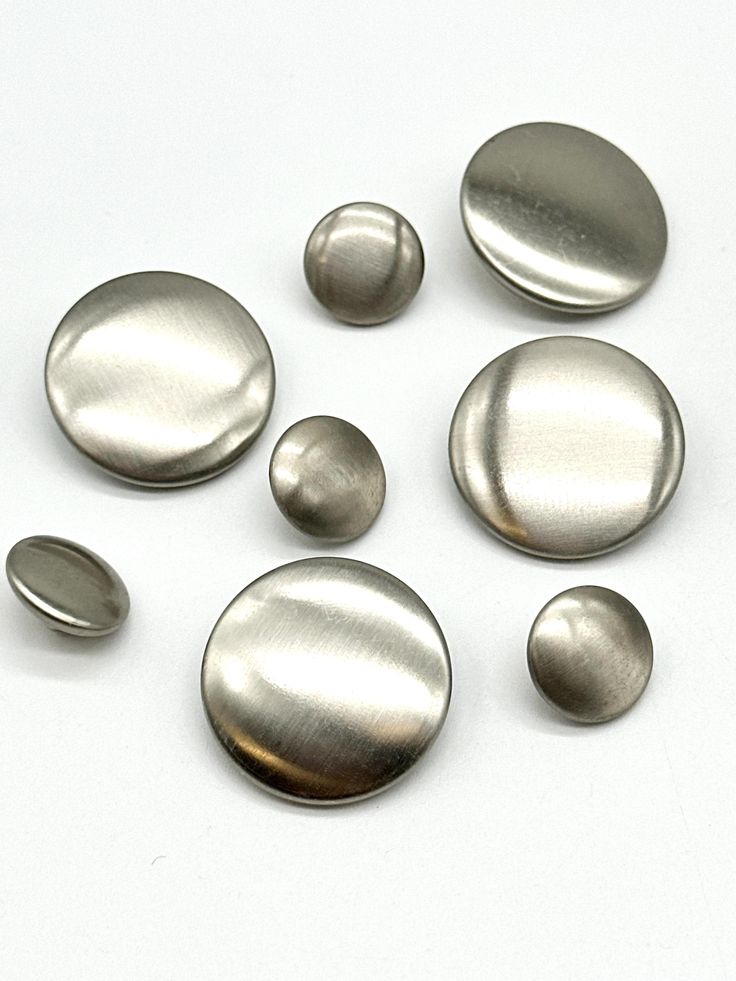
Introduction When you’re exporting garments in bulk, every component matters – especially buttons. The right button material affects durability, cost, lead time, and even brand perception. At Button Experts, we help global buyers source high-quality buttons tailored to their production needs. In this guide, we’ll compare the most popular button materials used in the garment export industry. 1. Polyester Resin Buttons Polyester resin is the most common choice for fast fashion and bulk orders. It’s lightweight, colorfast, and can be molded into any shape or pattern. Resin buttons are cost-effective and available in thousands of colors. They work best for shirts, blouses, and casual wear. 2. Corozo (Vegetable Ivory) Buttons Corozo is a natural material made from tagua nuts. It’s hard, smooth, and takes dye beautifully – giving a premium feel. Eco-conscious brands love corozo because it’s biodegradable and each button has unique grain patterns. Ideal for high-end coats, trousers, and sustainable collections 3. Metal Buttons For jeans, jackets, and military-style garments, metal buttons add strength and style. Choose from brass, copper, iron, or zinc alloy with matte, antique, or shiny finishes. Metal buttons can be stamped with your logo for branding. 4. Wooden & Bamboo Buttons Rustic and handcrafted looks are trending. Wooden buttons come from sustainable sources like bamboo, maple, or cherry wood. They’re perfect for knitwear, cardigans, and boho-chic designs. Keep in mind that wood buttons require careful washing instructions. How to Decide? Consider these factors before ordering: Garment type (light vs heavy fabric) Wash care (machine wash vs dry clean) Budget per unit (resin is cheapest, corozo/metal mid-range, wood premium) Sustainability goals (corozo, wood, recycled polyester) Need samples? Button Experts ships material swatches worldwide within 3–5 business days.